
Creator
$9 per month
STYLE — CINEMATIC
Storyboard film is a working method as much as a look: plan a story as a sequence of stills — each frame graded and composed like a film shot — then generate motion only for the frames that survive review. It is the cheapest path to a coherent brand film. Our engine supports the whole loop, from 4-up storyboard sheets to finished moving shots.
THE TECHNIQUE
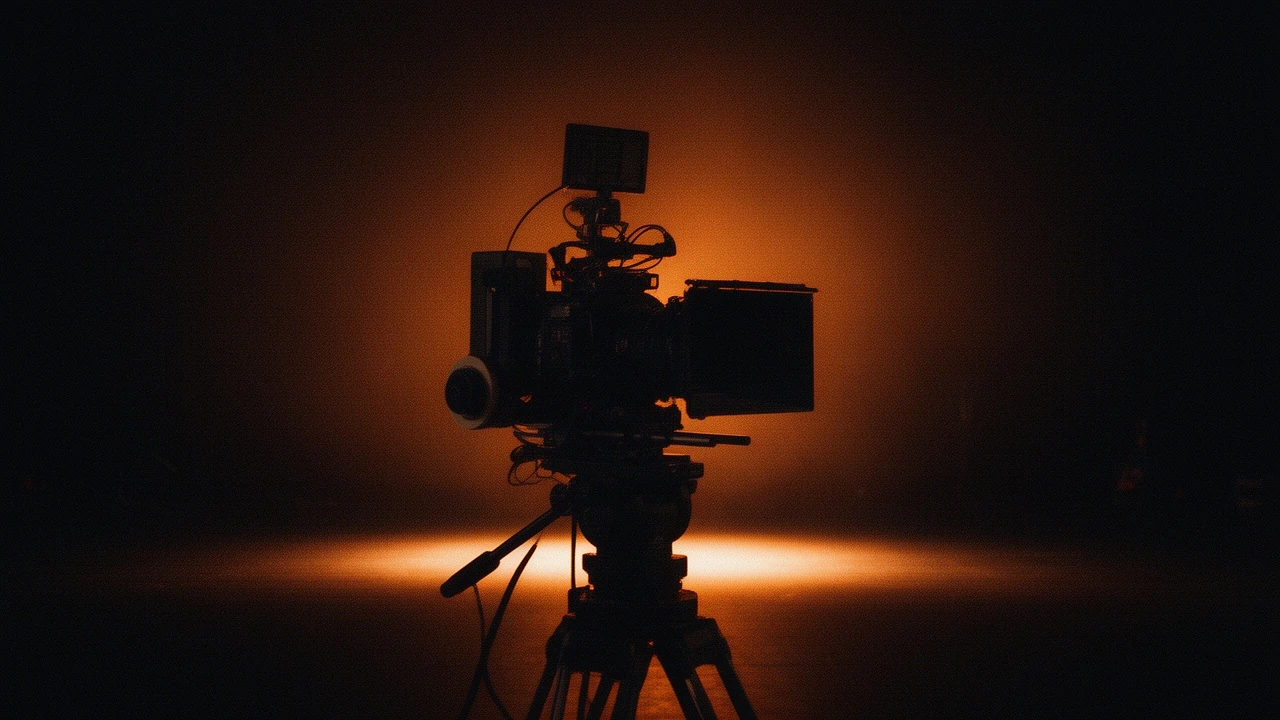
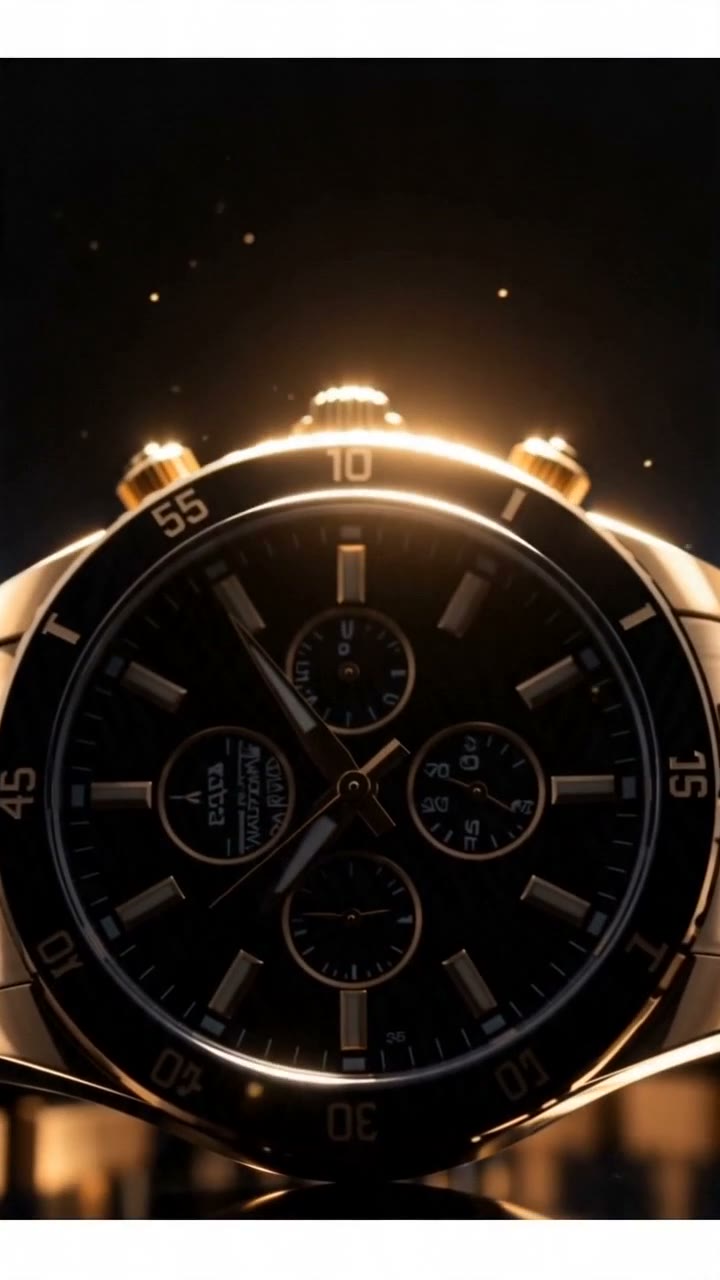
Every strong brand film is a sequence of deliberate shots, and the discipline of storyboarding is what separates a film from a montage. The generated workflow makes the discipline cheap: brief each beat of the story as a still — ingredient, process, product, payoff — with a unified grade written into every prompt so the frames read as one film. Review the board, reorder, re-brief the weak frames, and only then spend generation time on motion. The committed samples on this page are real outputs, including a 4-up film storyboard of a product origin story unified by a warm amber grade, a cinema-stage hero shot, and a lens comparison frame useful when choosing each shot's focal character. The method scales down to a three-shot ad and up to a full launch film, and it keeps stakeholders honest — everyone approves the exact frames before motion exists, so revisions happen at the cheap stage instead of the expensive one.
The rate card
FAQ
Write the grade and lighting into a reusable phrase — for example "warm amber cinematic grade, near-black background" — and append it to every frame's brief.
Yes. Photo-to-motion animates an approved frame with a chosen camera move, preserving its composition and grade.
Three to six beats cover most 15–30 second spots: hook, product, payoff, with optional texture shots between.
Keep exploring
LAST LOOKS
A closing reel of real engine output — video and image, across formats and use cases. Every tile is a sample render.