Creator
$9 per month
STYLE — CINEMATIC
Anamorphic cinema is the prestige-film look: wide frames, oval bokeh, horizontal lens flares, haze, and grades that feel like a theatrical release. Brands borrow it when they want thirty seconds to feel like a trailer. Our engine renders this language from a brief — the scene, the lens character, the atmosphere, the camera move — at a fraction of a film crew's footprint.
THE TECHNIQUE
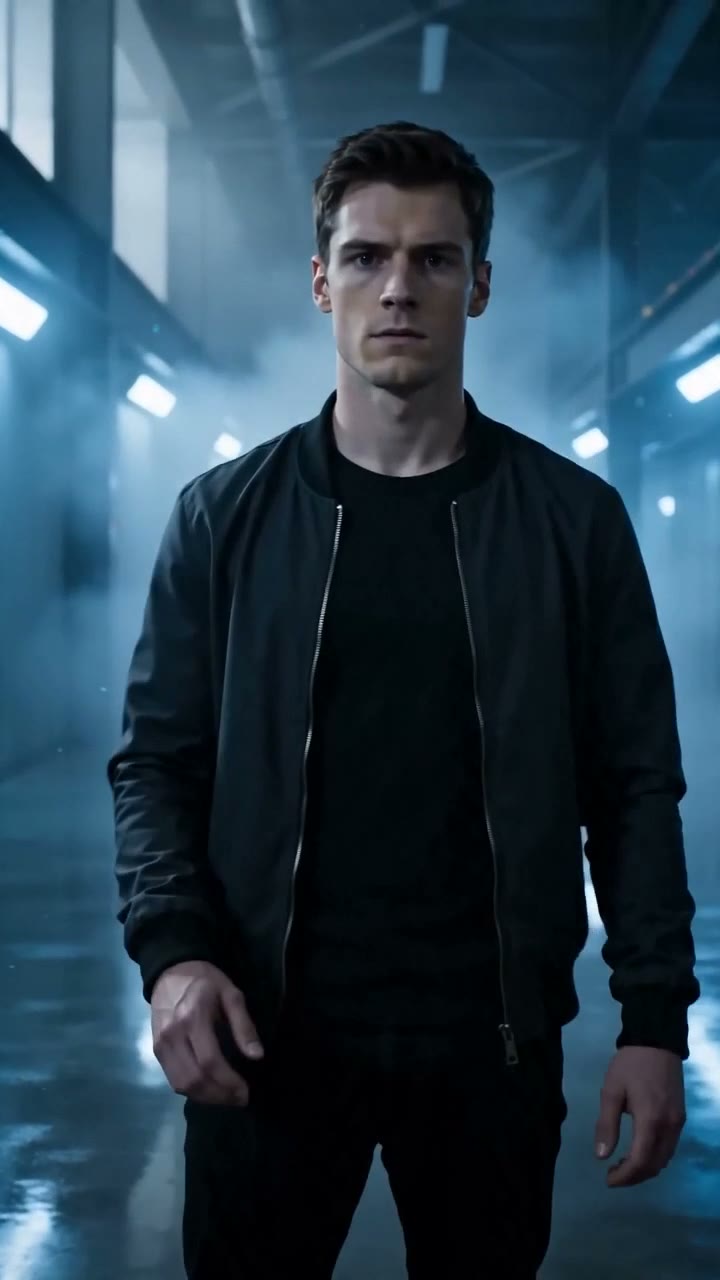
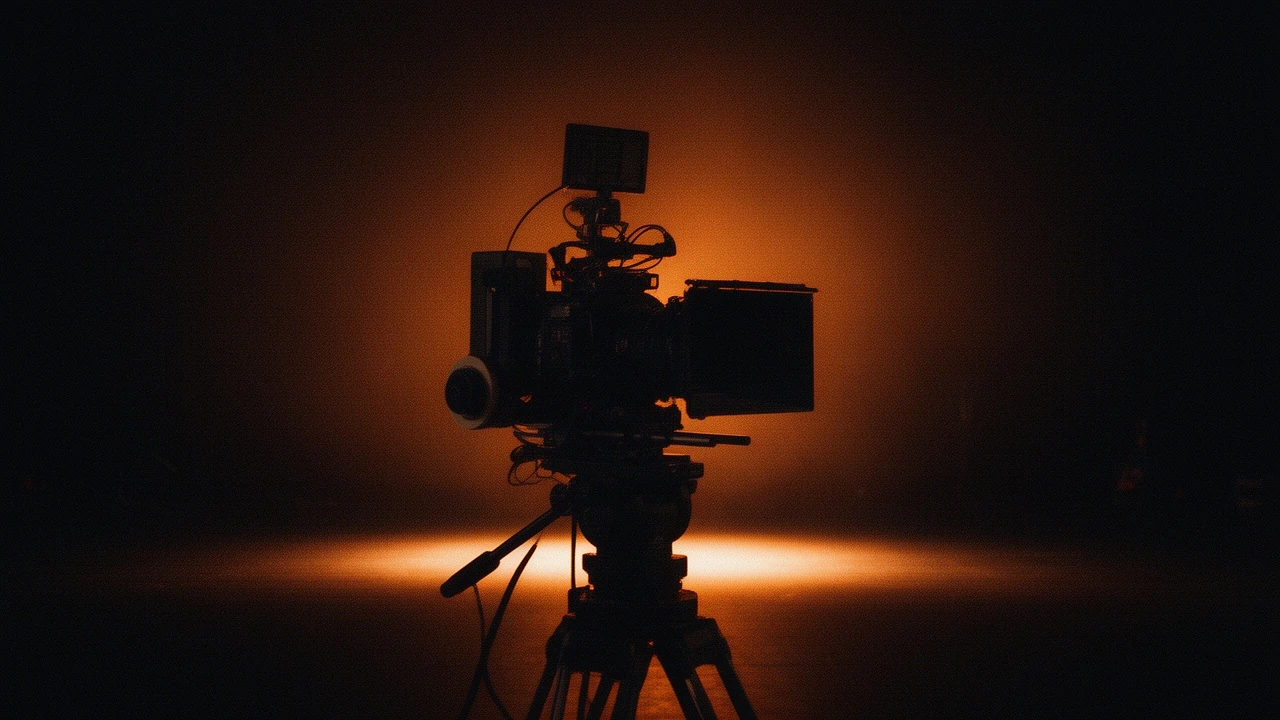
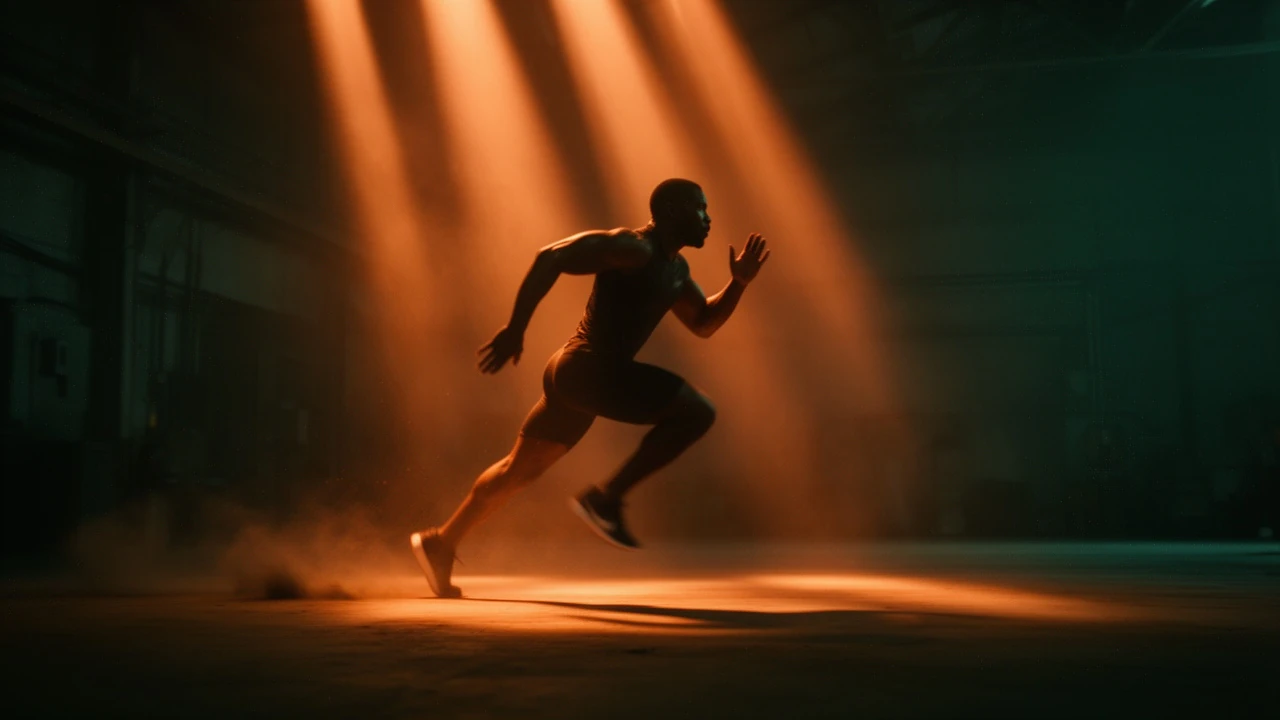
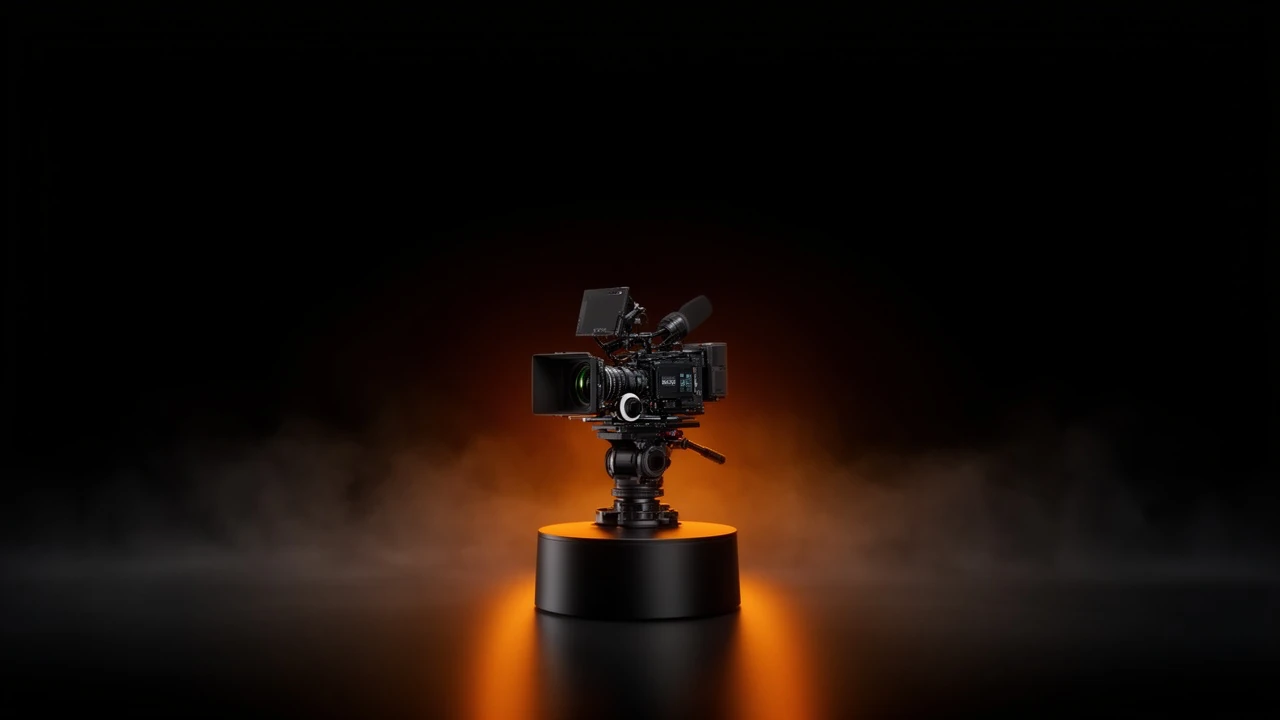
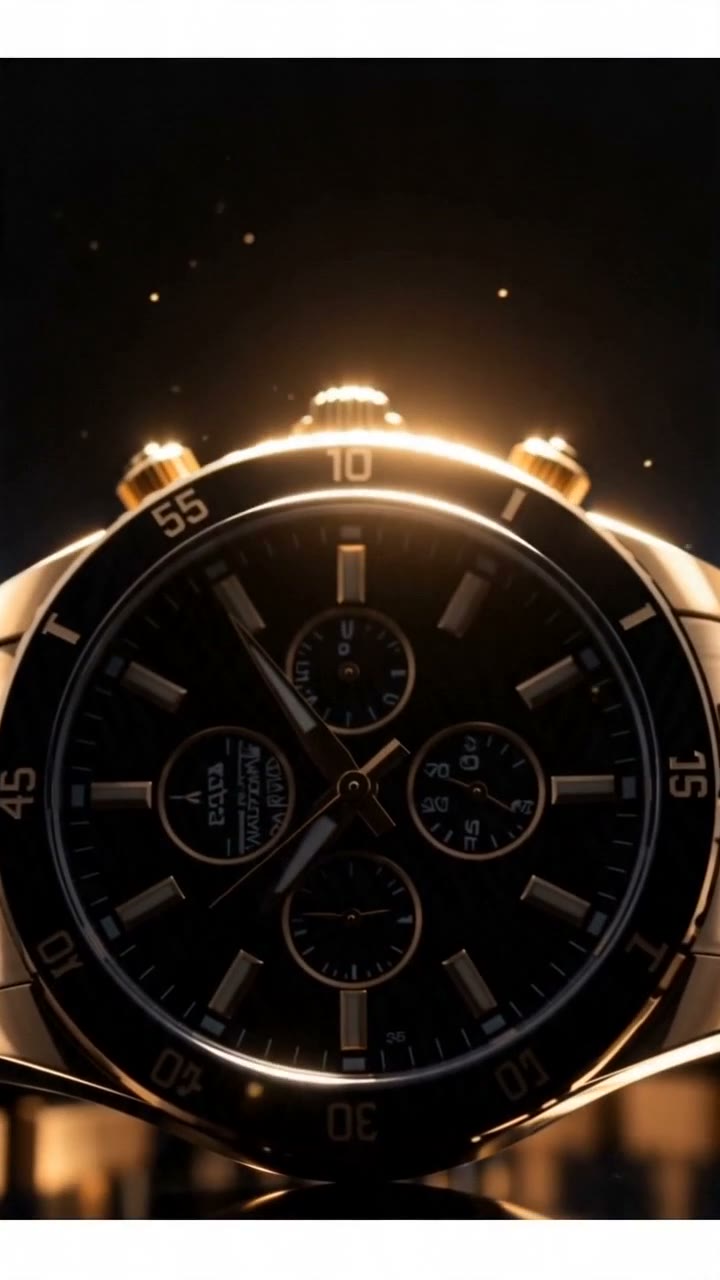
The anamorphic feel is a bundle of specific artifacts: a wide aspect, shallow focus with stretched bokeh, flares that streak horizontally, film grain, and deliberate camera moves — slow push-ins, drifts, and reveals. Achieving it physically means cinema glass, a camera package, and a crew who know how to light haze. The engine reproduces the bundle when you ask for it by name: brief "35mm anamorphic, volumetric haze, slow push-in" and the artifacts arrive together. The committed samples on this page are real outputs — a lone figure on a neon-rain city street, a cinema camera on a dark film stage caught in a dramatic push-in, and a lens-character comparison of the same scene at a wide 24mm versus a tight 85mm look. Use the style for brand films, launch teasers, and title sequences; storyboard shot-by-shot with stills first, then generate the moving versions of the frames that earn their place.
The rate card
FAQ
Push-ins, orbits, dolly moves, drifts, and reveals all respond to plain-language direction, along with lens hints like focal length and anamorphic character.
Yes — generate stills for each planned shot first, refine framing cheaply, then convert the approved frames to motion.
Ask for them in the brief. Grain, haze, and horizontal flares are part of the style vocabulary the engine understands.
Keep exploring
LAST LOOKS
A closing reel of real engine output — video and image, across formats and use cases. Every tile is a sample render.