Creator
$9 per month
STYLE — MOTION
Photo-to-motion animates a still image with a real camera move: a product photo gains a slow orbit, light sweeps across a label, haze drifts through the frame. It is the highest-leverage upgrade in content marketing — every asset you already own becomes a potential video. Our engine takes any still image in and returns a cinematic, fully directed moving shot out.
THE TECHNIQUE
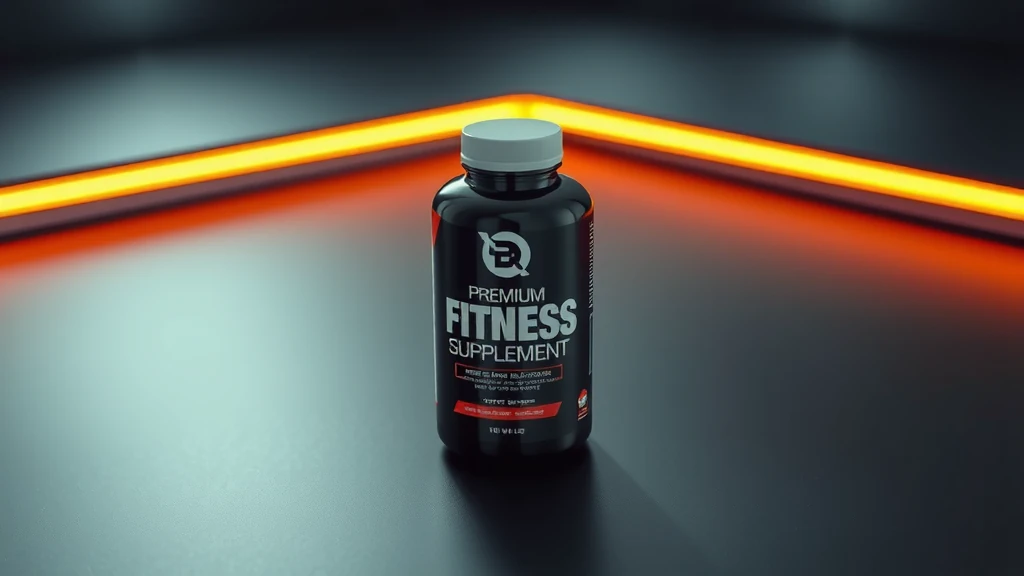
The technique adds parallax, light movement, and atmosphere to a locked composition. Because the framing is already decided by the source photo, results are unusually reliable: the engine is animating a shot, not inventing one. Brief the move — orbit, push-in, drift — plus any light behavior, and the still becomes footage. The committed hero sample on this page shows exactly this: a static supplement-tub photo brought alive with a slow cinematic orbit, orange light raking the label, and subtle parallax haze. The applications compound across a content library. Product catalog photos become product-page videos; a moodboard becomes a looping header; a storyboard frame becomes its own finished shot. For paid social, motion is the difference between a scroll-past and a watch, and photo-to-motion buys it without reshooting anything. Start with your best-performing stills — the images already proven to stop the scroll — and give each one a camera move that matches its composition: orbits for products, push-ins for portraits, slow drifts for scenery.
The rate card
FAQ
Sharp, well-composed stills with a clear subject — product shots, portraits, and scenic frames all animate well. Busy collages animate less predictably.
Orbits, push-ins, pull-backs, and gentle drifts, plus light sweeps and atmospheric haze layered on top.
The move is built around your source image, so labels and shapes stay true to the photo you provided.
Keep exploring
LAST LOOKS
A closing reel of real engine output — video and image, across formats and use cases. Every tile is a sample render.